
Latest News
Stay updated with the latest news and events from Kampala International University in Tanzania.
From Maps to Action: Strengthening Malaria Control Through Geospatial Evidence
More photos (3)
1 / 3
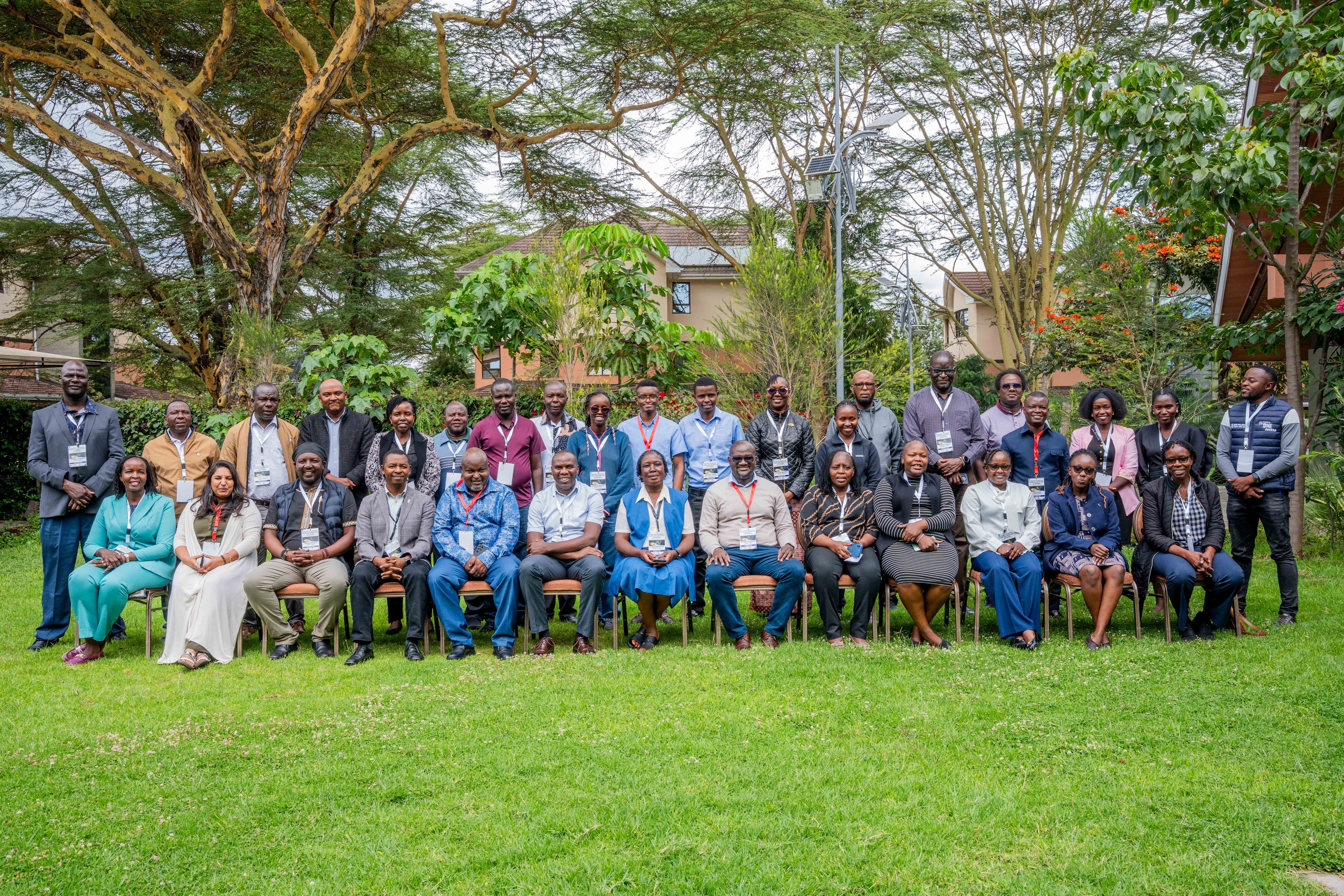
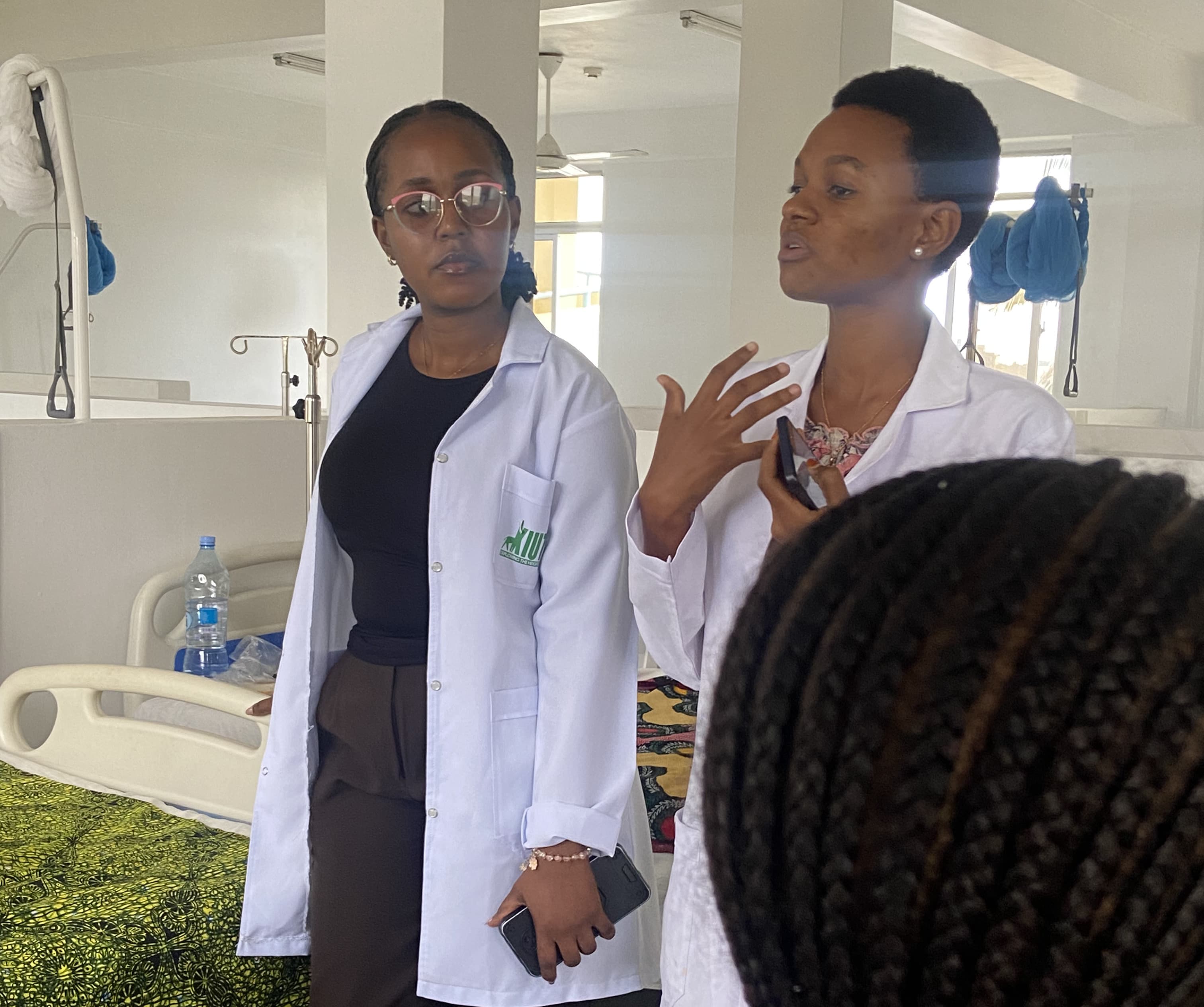
In collaboration with the MAMOD consortium and the MAP, the MAMODEX team co-delivered a geospatial modelling training in Naivasha during the quarter. The programme convened 60 participants across the region, National Malaria Control Programmes (NMCPs) officers from Kenya, Uganda and Tanzania, alongside graduate students from academic institutions (KIUT, MKU, CEMA-UoN) and research institutions (KEMRI).
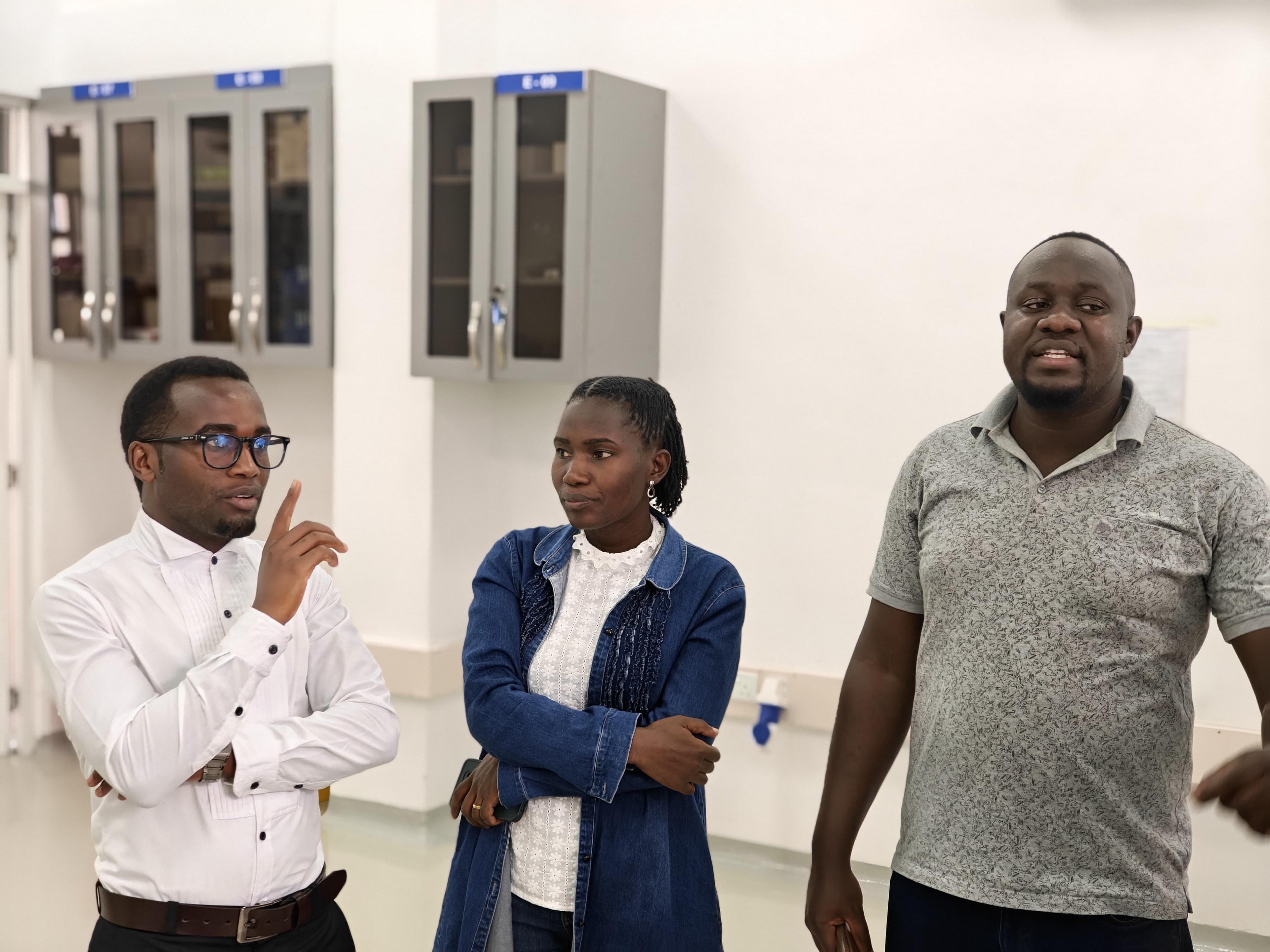
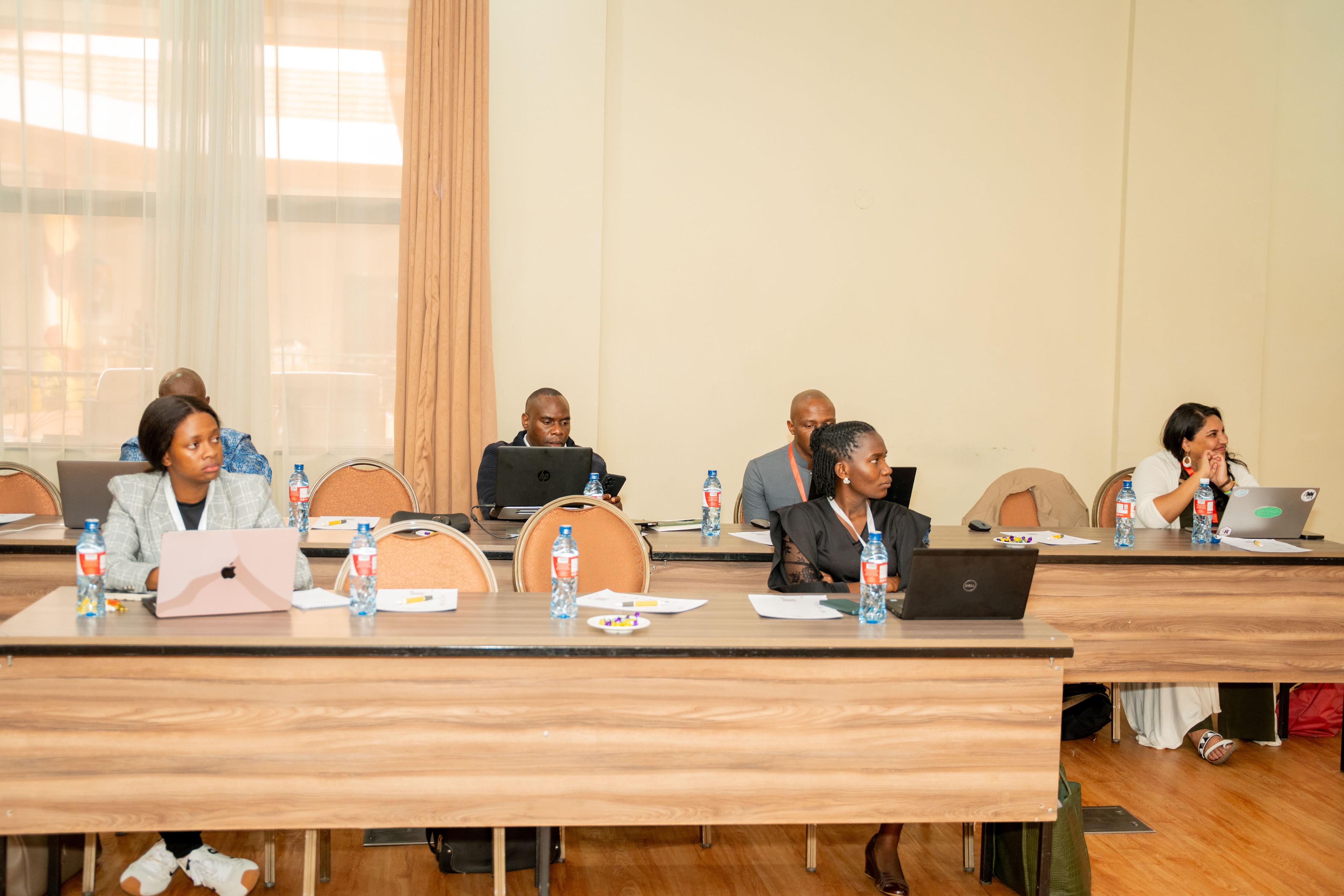
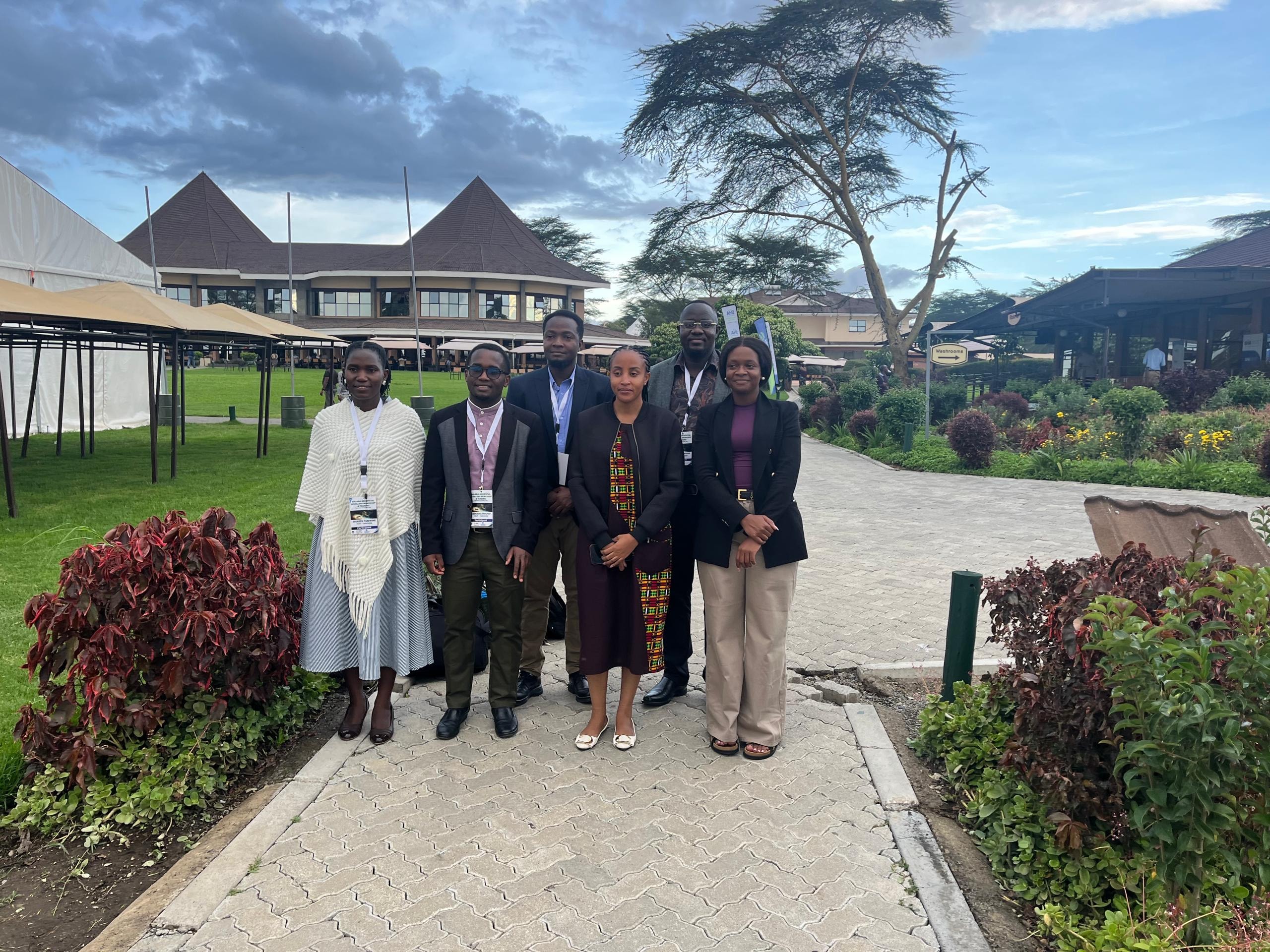
From 27th - 30th April 2026, a team of researchers and public health professionals participated in the workshop “Geospatial Evidence for Malaria Policy and Programme Planning”, hosted by MKU and facilitated by MAP in Naivasha, Kenya. The four-day workshop brought together policymakers, GIS analysts, malaria experts, and modelling partners to explore how geospatial evidence can strengthen malaria control strategies and improve decision-making across countries.
Malaria remains one of East Africa’s most pressing public health challenges, disproportionately affecting vulnerable communities and placing significant pressure on health systems. Addressing this burden requires more than routine interventions it requires evidence-driven planning that ensures resources reach the populations and locations where they are needed most.
Throughout the workshop, participants explored how geospatial modelling can transform malaria policy and programme planning. Sessions focused on malaria risk mapping, spatial analysis, surveillance systems, stratification approaches, and translating complex data into practical public health action.
One key lesson that emerged was the importance of data quality. High-quality and well-governed data systems are essential for understanding malaria transmission patterns, identifying hotspots, and supporting targeted interventions. Discussions highlighted that malaria transmission is not uniform across regions, reinforcing the need for sub-national approaches rather than relying solely on national averages.
The workshop also emphasized that maps are not simply visual tools they are decision-support instruments. Participants learned how geospatial modelling can strengthen intervention targeting, improve accessibility analysis, support retrospective evaluation of programmes, and guide cost-effective malaria investments.
An important discussion focused on the hidden challenge of asymptomatic malaria infections. While many malaria programmes rely heavily on symptomatic cases reported through health systems, asymptomatic individuals can continue sustaining transmission within communities. Integrating these dynamics into modelling approaches may strengthen future intervention planning and disease control strategies.
Collaboration emerged as another major theme. Effective malaria planning depends on strong partnerships among governments, researchers, data scientists, and development partners. No single institution can independently address the complexity of malaria surveillance and response.
The final day shifted attention from learning to action. Participating institutions identified priority research questions and implementation areas that could contribute to future malaria programming and funding narratives.
As part of this commitment, different institutions selected strategic focus areas to address:
What is the impact of shifting the RTS, S/ R21 vaccine dose from 24 to 18 months and how is this cost effective. - CEMA & Swiss TPH
Understanding how climate variability and geographic conditions influence malaria intervention targeting and resource allocation. - KIUT
Investigating how health-seeking behaviour and cultural practices affect malaria intervention utilization through Knowledge, Attitudes, and Practices (KAP) research. -KIUT
Cost effective vector intervention combinations for optimal burden reduction. – MKU
How is insecticide resistance evolving spatially and temporally, and how does it reduce intervention effectiveness? - KEMRI
These priorities reflect a growing recognition that malaria control is shaped not only by epidemiological factors, but also by human behaviour, climate patterns, and local contexts. The workshop reinforced an important message: “effective malaria control requires science, collaboration, and evidence translated into action”.
As countries continue working toward malaria reduction and elimination goals, geospatial evidence will play an increasingly important role in ensuring interventions are smarter, more equitable, and more impactful.
"All models are wrong, but some models are useful." This reflection from the workshop captured a central lesson while models may never perfectly represent reality, but when built on quality data and used thoughtfully, they become powerful tools for saving lives.
The knowledge gained in Naivasha will continue informing MAMODEX contribution to evidence-driven malaria programming, strengthening efforts to build healthier communities through data-informed decision-making.
Related Articles
KIUT Congratulates Prof. Sayoki Mfinanga
Sep 22, 2026
ICT Directorate conducts Mamodex User Training And System Orientation
Sep 11, 2026
.jpeg&w=3840&q=75)
Advancing Evidence-Based Malaria Prevention Across Sub-Saharan Africa
Aug 12, 2026
Advanced Implementation science & Program Evaluation Course Attracts Global Participation In Dar Es Salaam
Jul 15, 2026
Stories You May Like

Safe Social Media Use | Connect, Learn, Share Positively
Sep 23, 2026

Congratulations PROF. DR.-ING. Verdiana Grace Masanja
Sep 23, 2026
KIUT Congratulates Prof. Sayoki Mfinanga
Sep 22, 2026
Day two in Action | Building Stronger Newborn Care
Sep 22, 2026
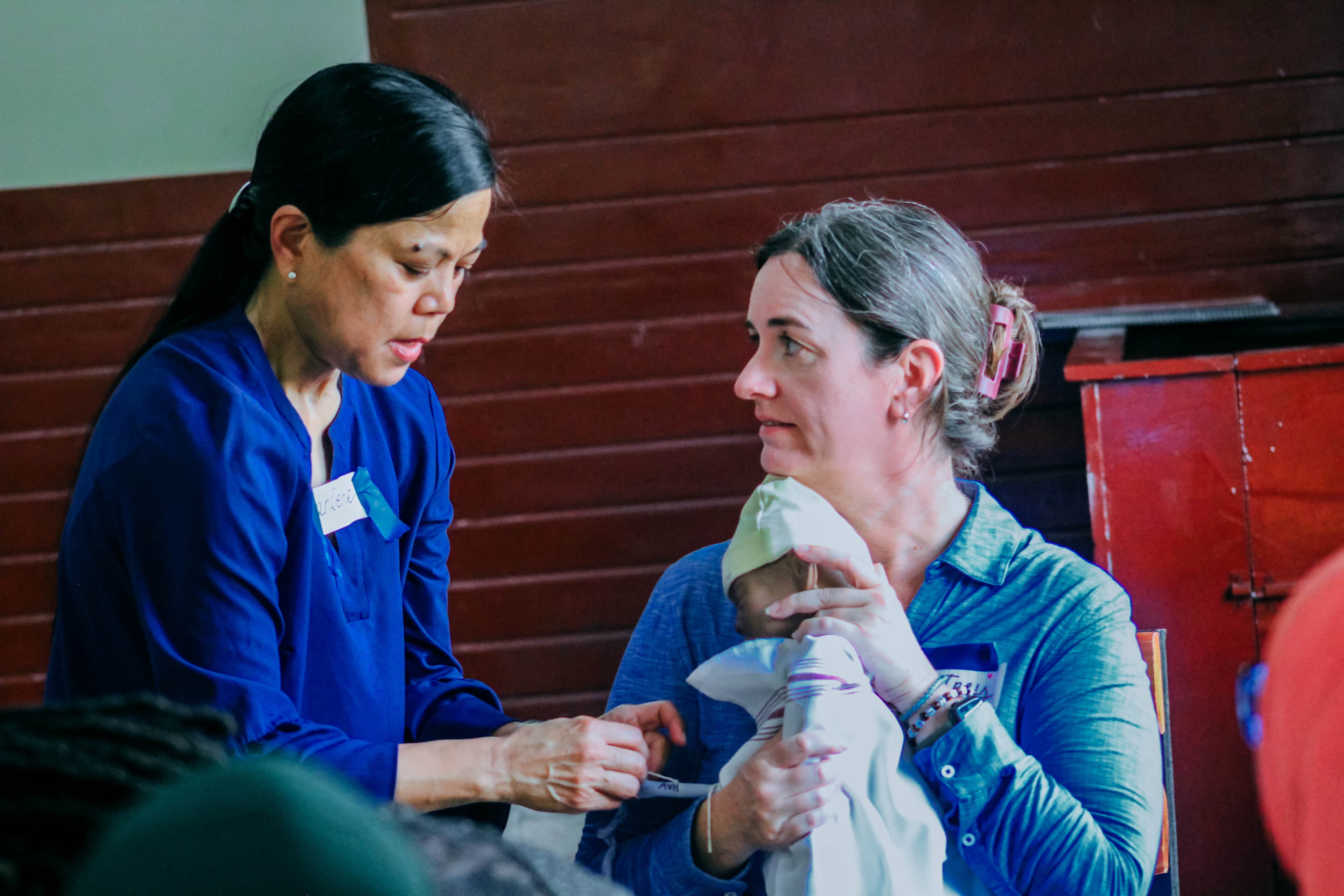
KIUT and Aftyaconnect partner to Enhance Essential Newborn Care in Kisarawe
Sep 21, 2026
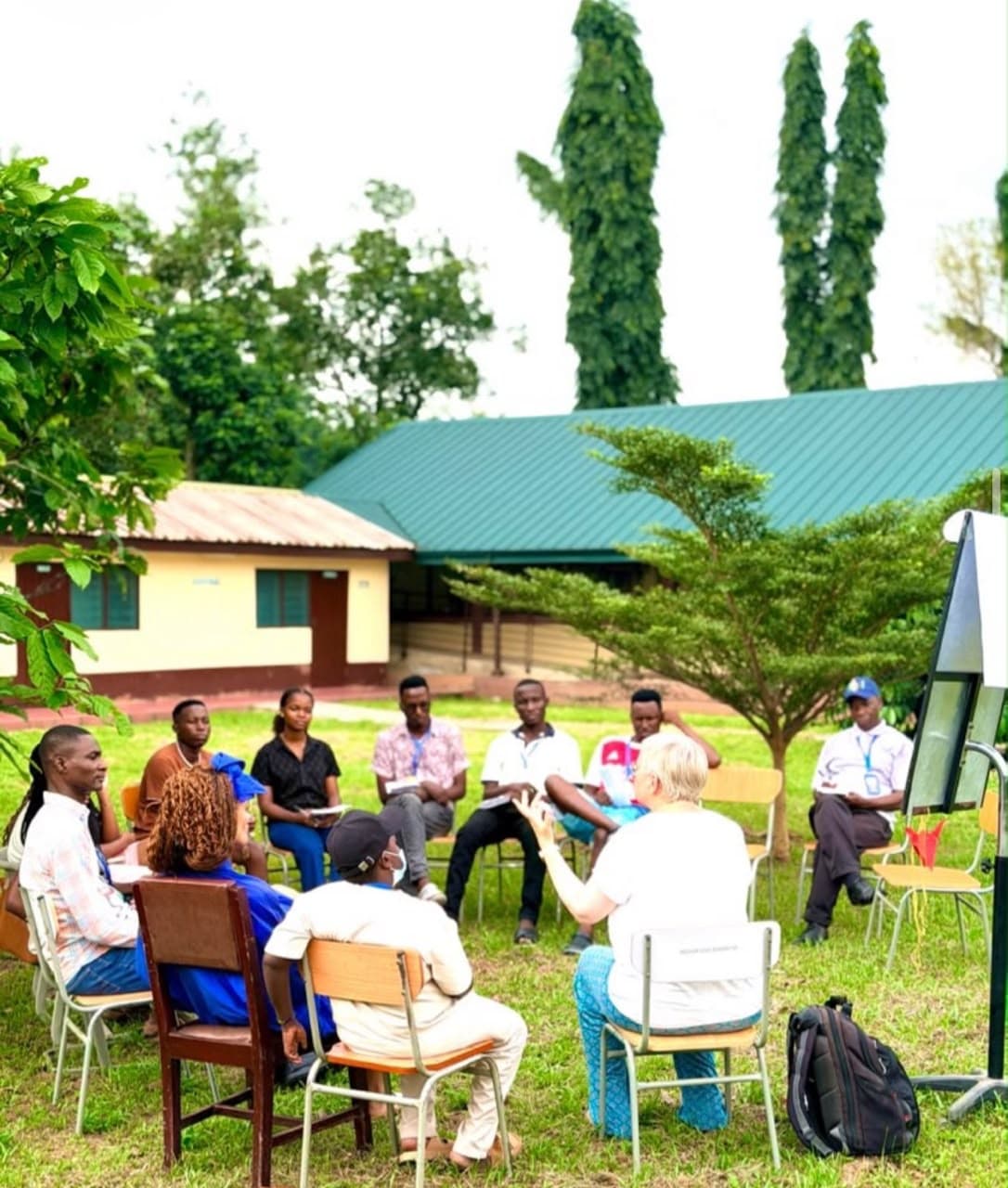
KIUT Delegates Represent TAMSA at All Africa Anthroposophic Training in Ghana
Sep 17, 2026
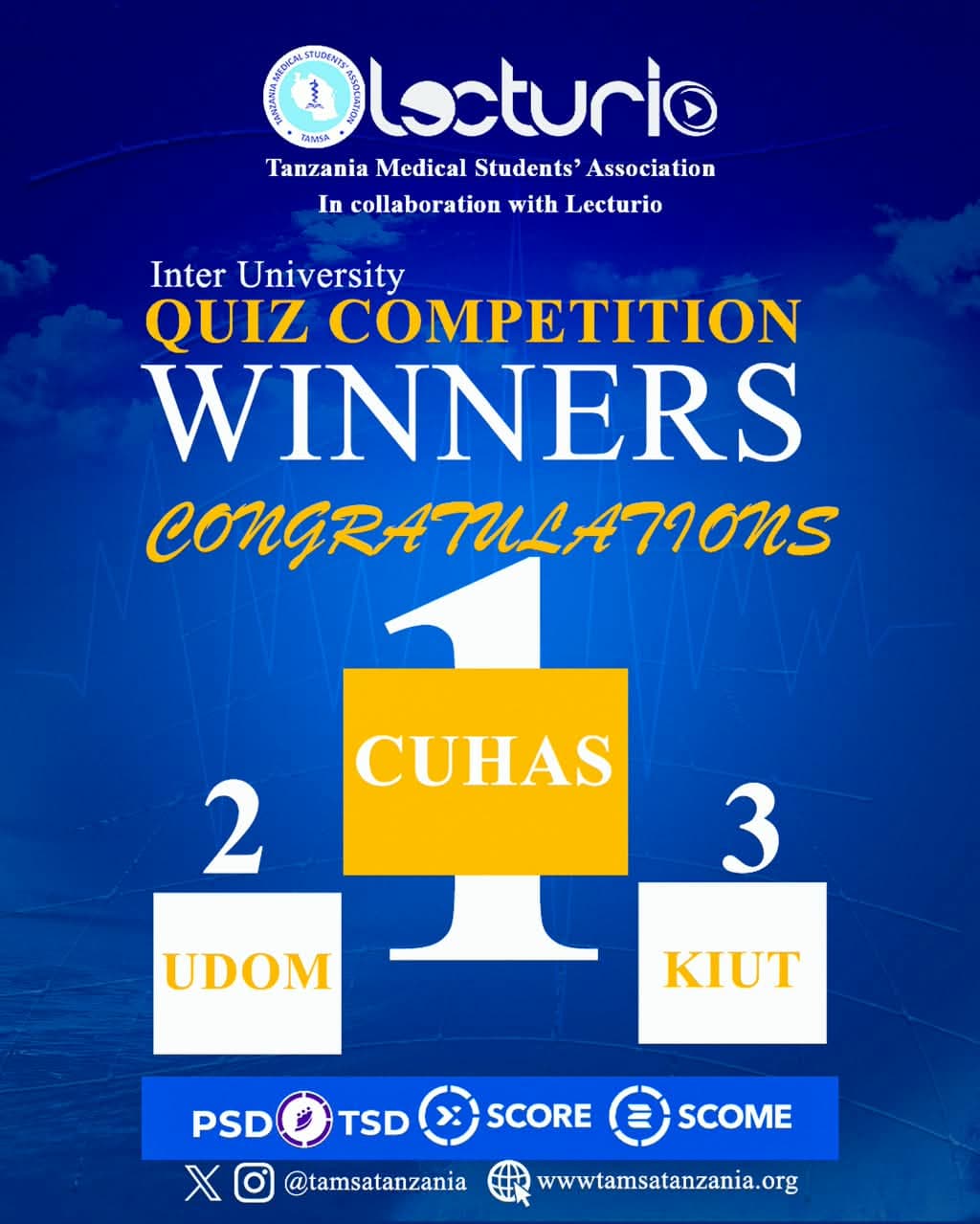
High Stakes & Big Minds: TAMSA-KIUT Heads to the Lecturio Quiz Grand Finale
Sep 15, 2026
ICT Directorate conducts Mamodex User Training And System Orientation
Sep 11, 2026
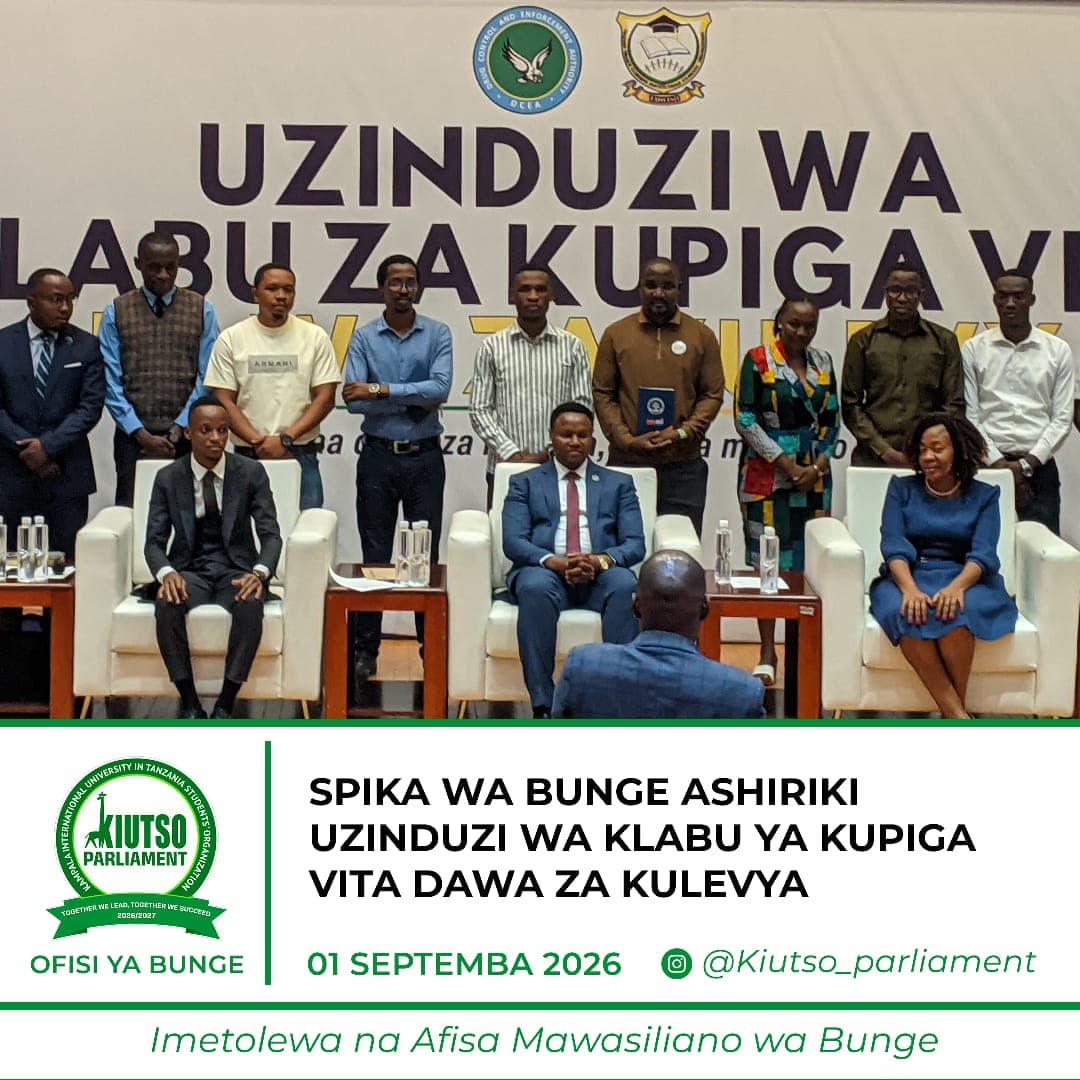
Spika Wa Bunge Ashiriki Uzinduzi wa Klabu ya Kupiga Vita Dawa Za Kulevya
Sep 3, 2026

KIUTSO Students Goverment | 2026/2027 BUDGET DELIBERATIONS
Aug 29, 2026

Pens Down, Popcorn up: TAMSA-KIUT Movie Night
Aug 28, 2026

TAMSA-KIUT Takes Anti-Microbial Resistance Awareness to National Television
Aug 25, 2026
Honoring Dedication in the Department of Education
Aug 20, 2026
One Campus, One Family: TAMSA-KIUT Kicks Off the Umoja Games!
Aug 15, 2026
Advancing Evidence-Based Malaria Prevention Across Sub-Saharan Africa
Aug 12, 2026
.jpeg&w=3840&q=75)
Bridging Legal Theory with Practical Excellence: KIUT Law Students Sharpen Advocacy Skills Through Moot Court Sessions
Aug 10, 2026
.JPG&w=3840&q=75)
KIUT Volleyball Teams Qualify for National League, Men Return as Defending Champions
Jul 31, 2026
.jpeg&w=3840&q=75)
KIUTSO Holds First Parlaimentary meeting, Elects New Guild Speaker and Deputy Speaker for 2026/2027
Jul 21, 2026
KIUT Students Shine At The 20th Win & Learn Academic Event at MUHAS
Jul 21, 2026
Advanced Implementation science & Program Evaluation Course Attracts Global Participation In Dar Es Salaam
Jul 15, 2026
Staff Development & Capacity Building
Jul 8, 2026
.jpeg&w=3840&q=75)
KIUT Law Students Visit the Institute of Judicial Administration
Jun 26, 2026

TAMSA-KIUT Honors Excellence & Leadership at Colorful Awards Night
Jun 26, 2026

TMCS KIUT Celebrates 9th Grand Graduation Ceremony
Jun 23, 2026
%20(1).jpeg&w=3840&q=75)
Rotaract Club of KIUT Joins Global Spirit of Service at International Charity Food Festival
Jun 22, 2026
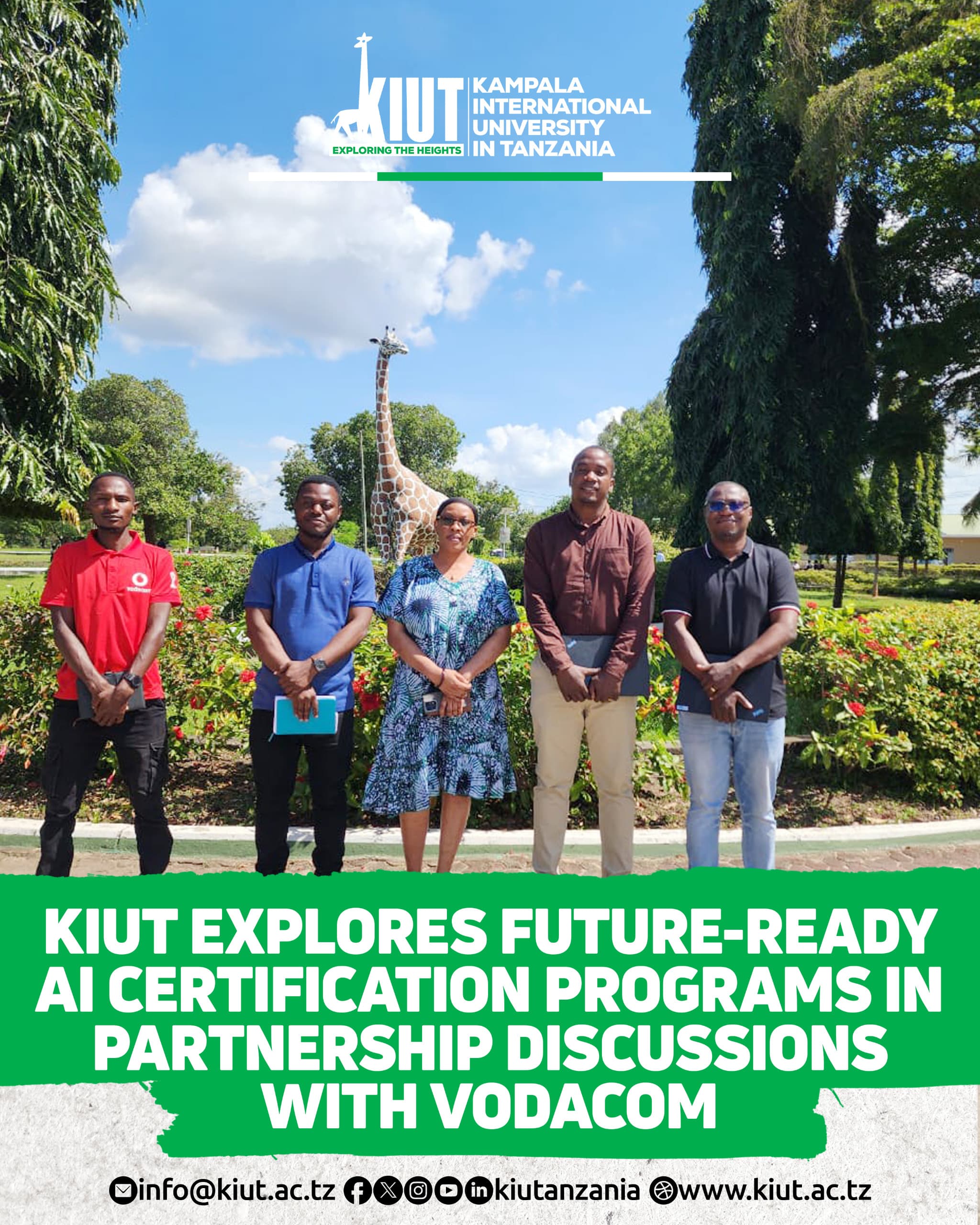
KIUT Explores Future-Ready AI Certification Programs in Partnership Discussions with Vodacom
Jun 17, 2026

KIUT Community Champions Honored for Polio Vaccination Drive
May 28, 2026
%20(1).jpeg&w=3840&q=75)
KIUT Champions Student Wellbeing at UNESCO Tanzania Forum
May 21, 2026
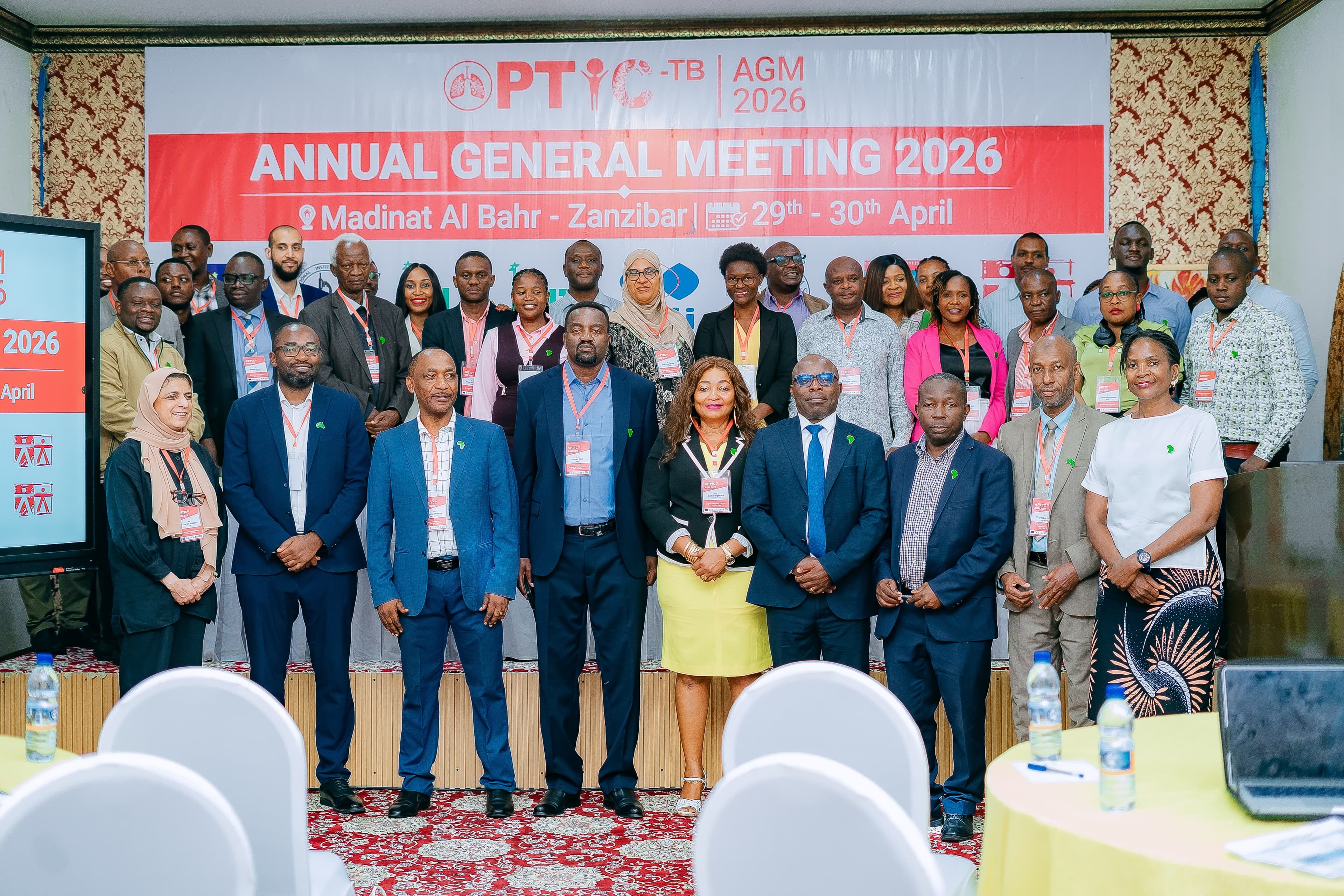
KIUT and Partners Convene for the 3rd OPTIC-TB AGM in Zanzibar
Apr 30, 2026
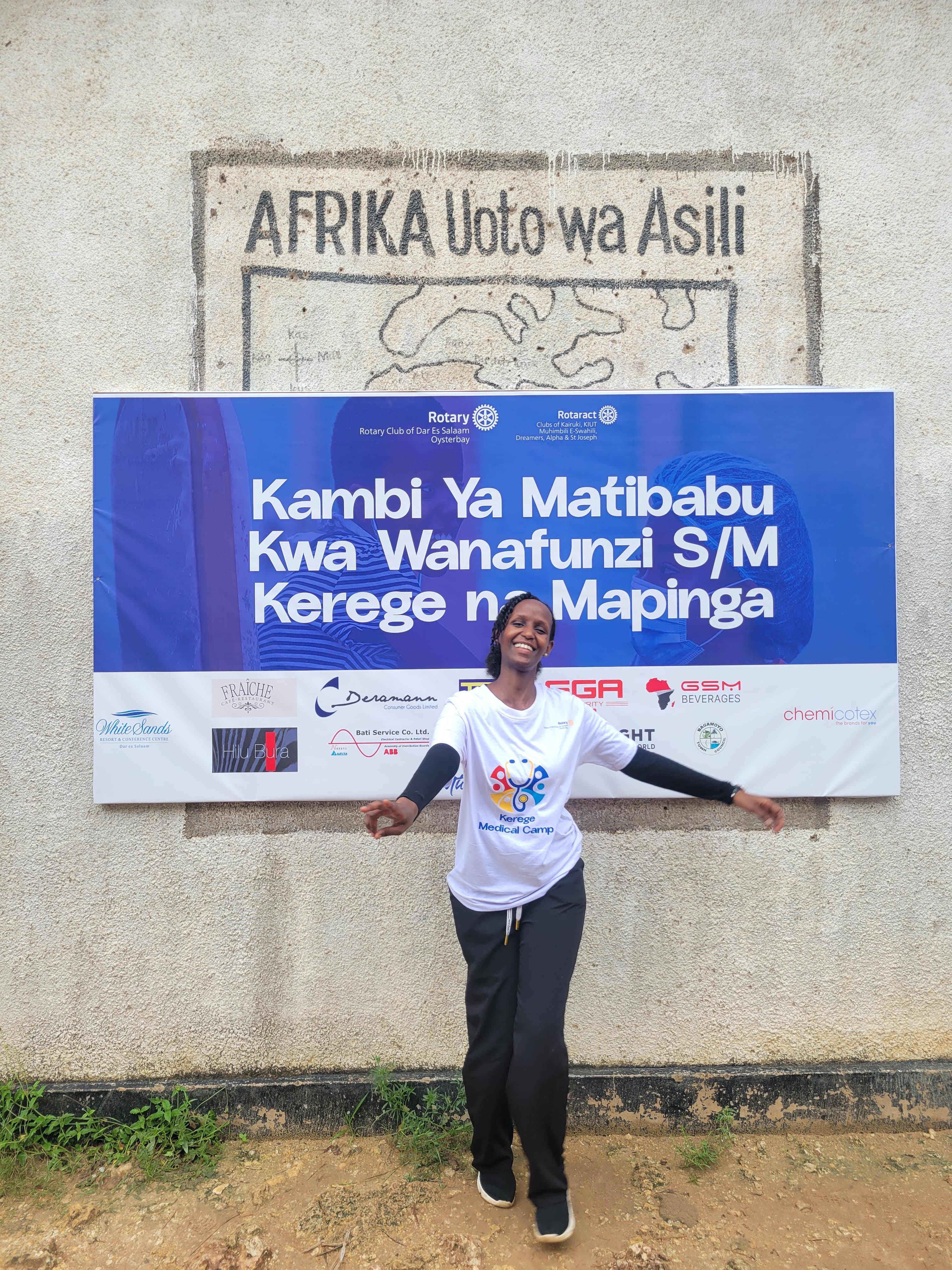
KIUT Rotaract Champions Community Wellness at Kerege
Apr 12, 2026
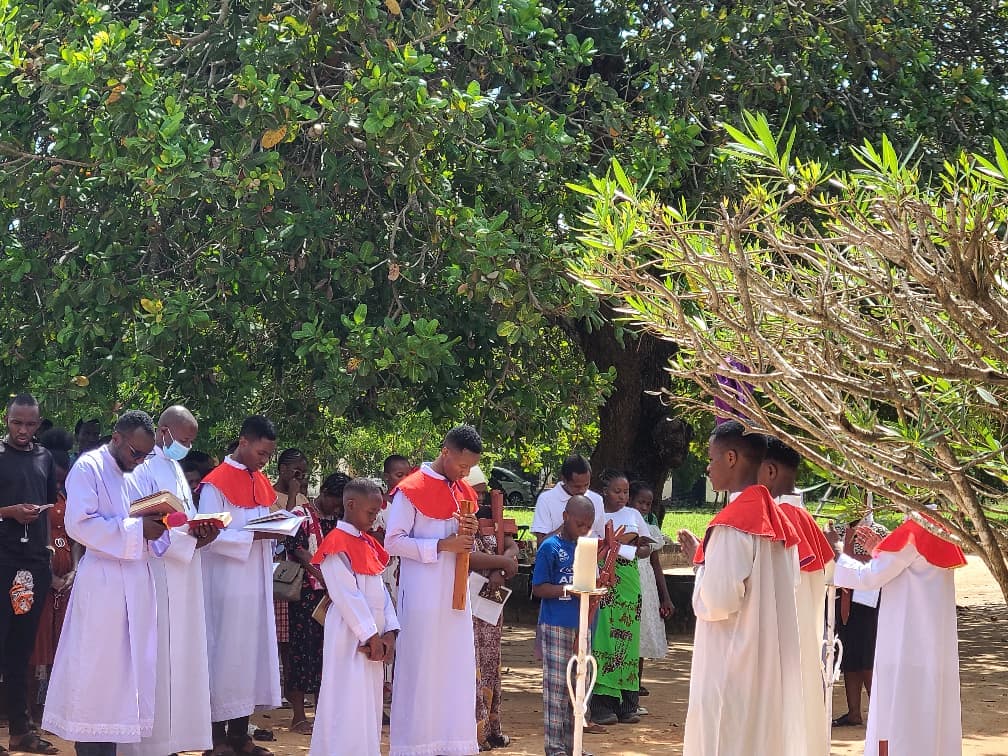
KIUT Community Observes the Way of the Cross
Apr 7, 2026
.jpeg&w=3840&q=75)
MAMODEX Advances to Operational Phase of Project
Mar 20, 2026

International Women’s Day 2026: KIUT Stands for Equality
Mar 19, 2026
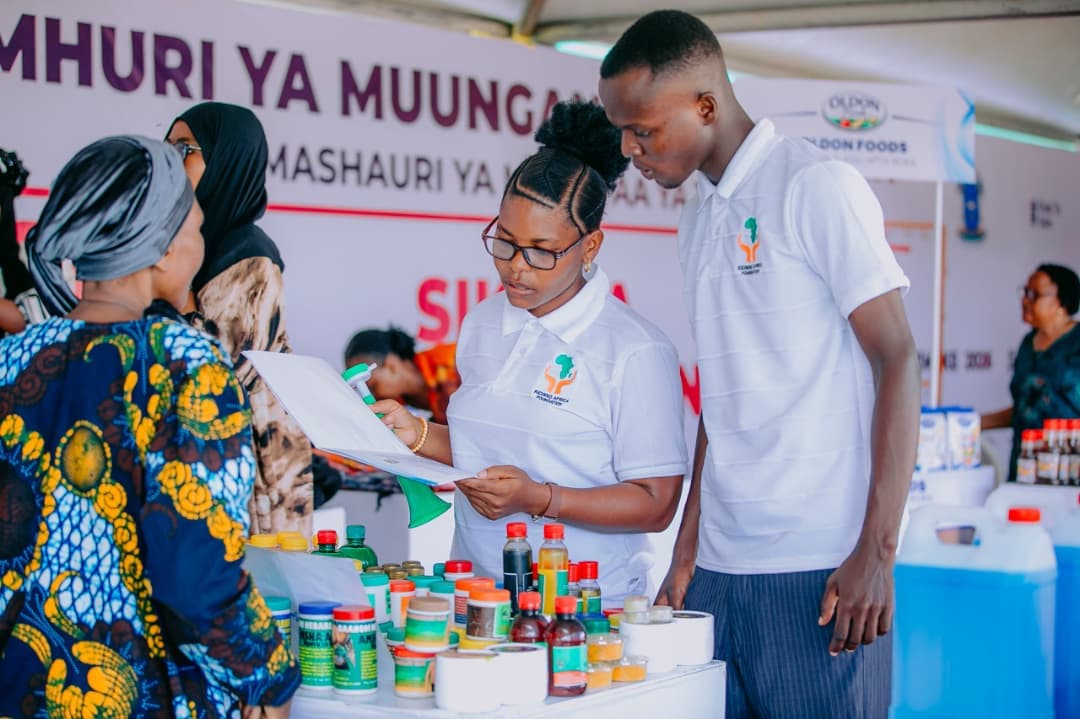
KIUT Social Work Association at the Temeke International Women’s Day Forum
Mar 18, 2026
.jpg&w=3840&q=75)
TMCS–KIUT Hosts Lenten Charity Outreach
Mar 16, 2026
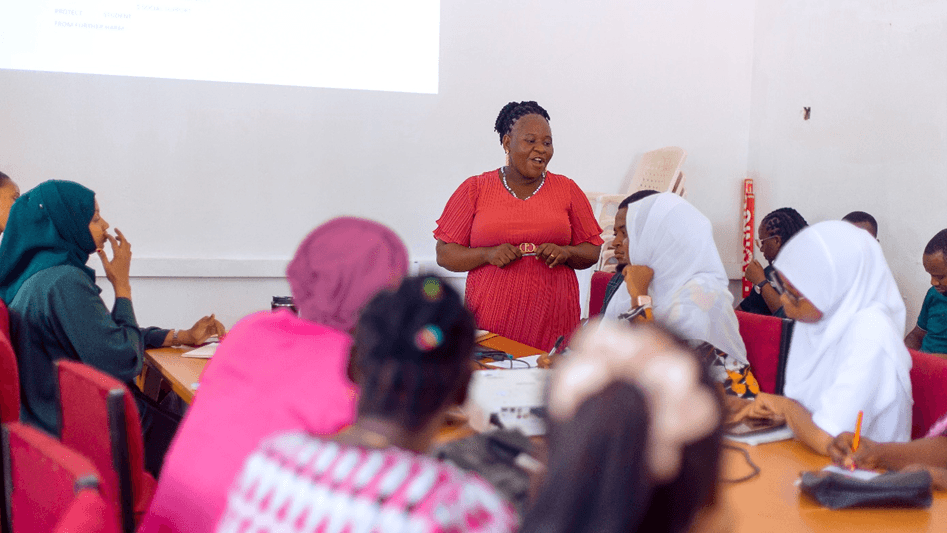
A 360-Degree Support Network: KIUT’s Proactive Stand Against GBV and Emotional Distress
Feb 10, 2026
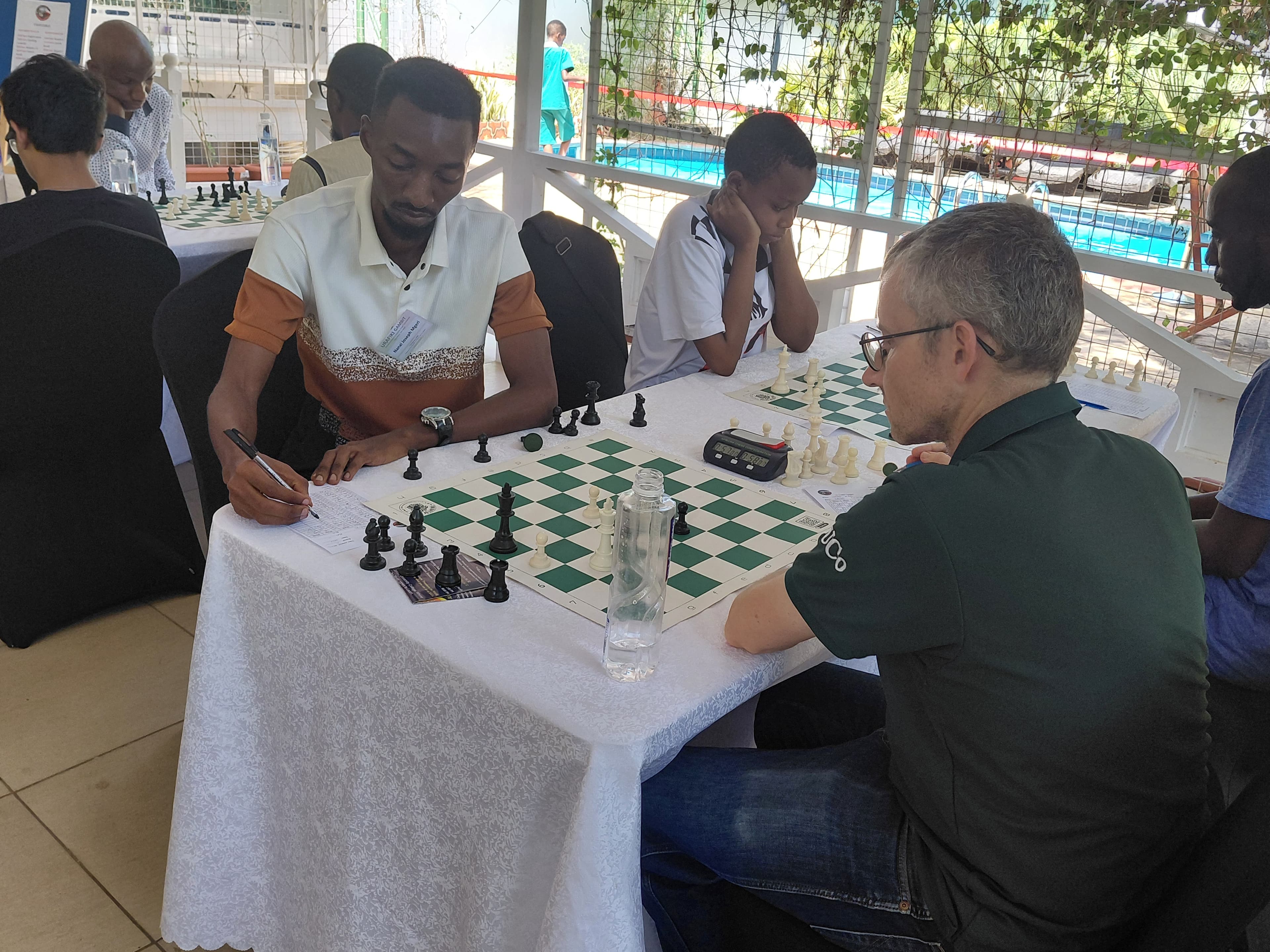
Checkmate in Dar Es Salaam: The Rafiki Tournament
Feb 9, 2026

The KIUT-Halotel 5G Revolution
Feb 9, 2026
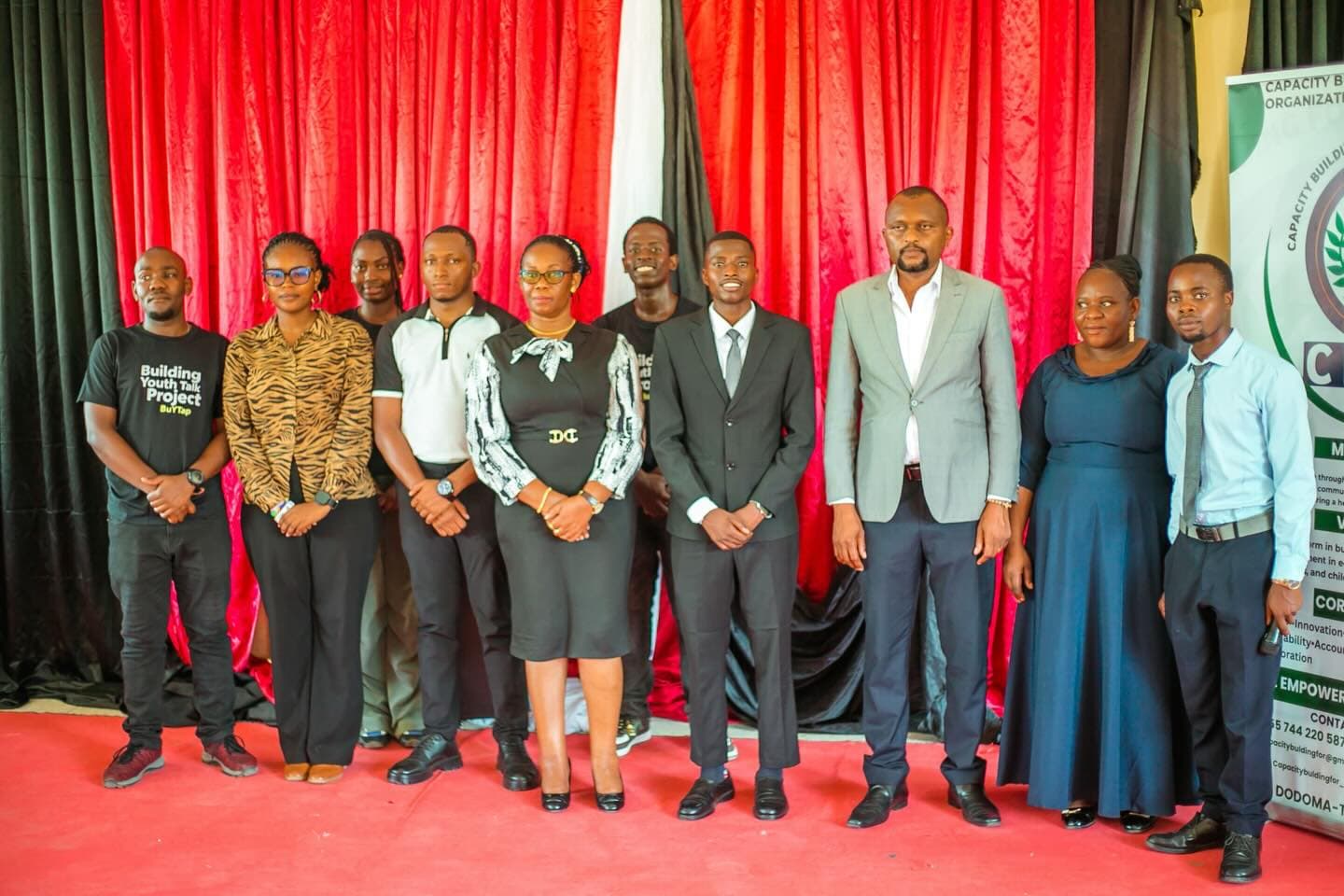
KIUT Debuts Building Youth Talk Initiative to Support Future Leaders
Jan 29, 2026
.jpeg&w=3840&q=75)
Building Hope: The KIUT Social Work Club Visits Fadhila Orphanage
Jan 28, 2026
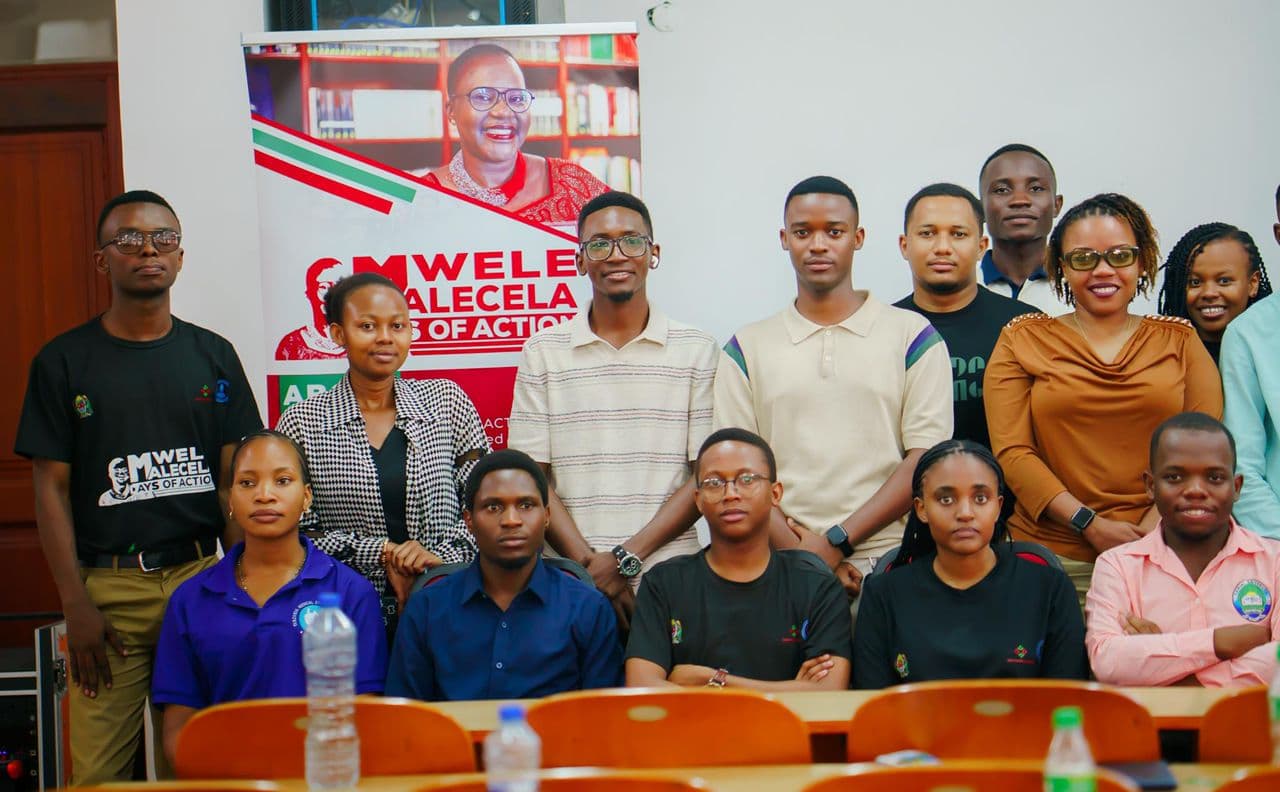
Breaking the Silence: TAMSA KIUT Takes on Female Genital Schistosomiasis
Jan 28, 2026
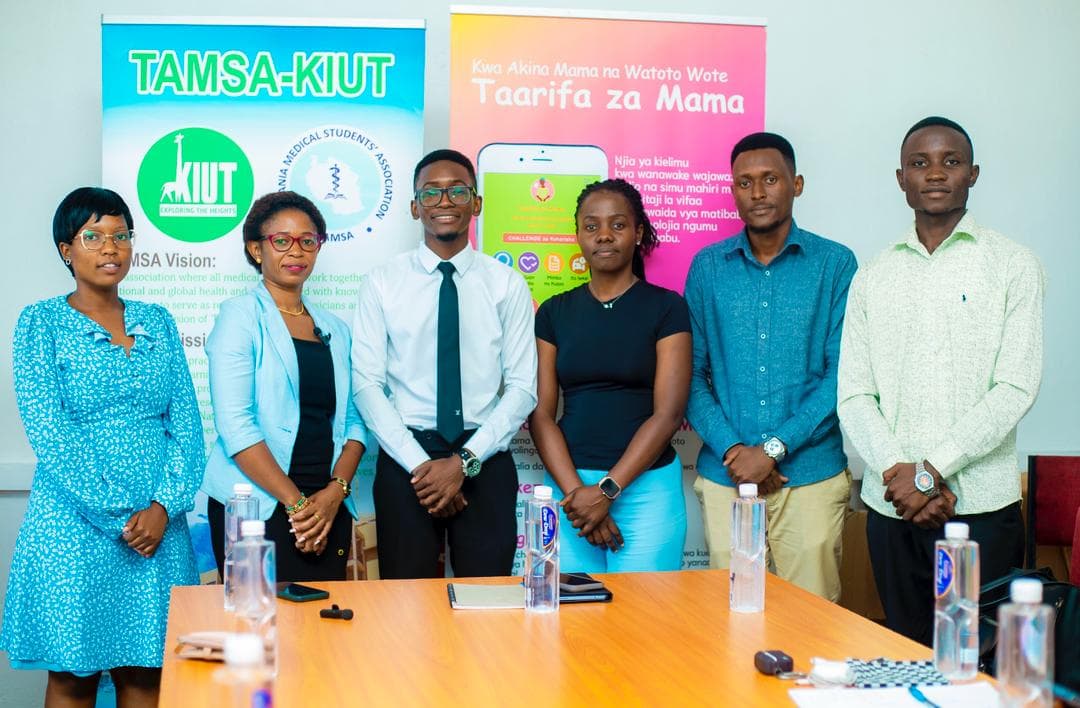
TAMSA KIUT & African Mothers Join Forces for Community Health
Jan 28, 2026

Art, Mindfulness, and Medicine
Jan 21, 2026

KIUT Volleyball Dominates 2025 TVF Awards After Landmark Season
Dec 22, 2025

Kampala University Vice Chancellor warns excessive AI use undermines students’ critical thinking.
Dec 12, 2025

Profesa Msolla aonya matumizi kupita kiasi ya AI kwa wanafunzi
Dec 5, 2025
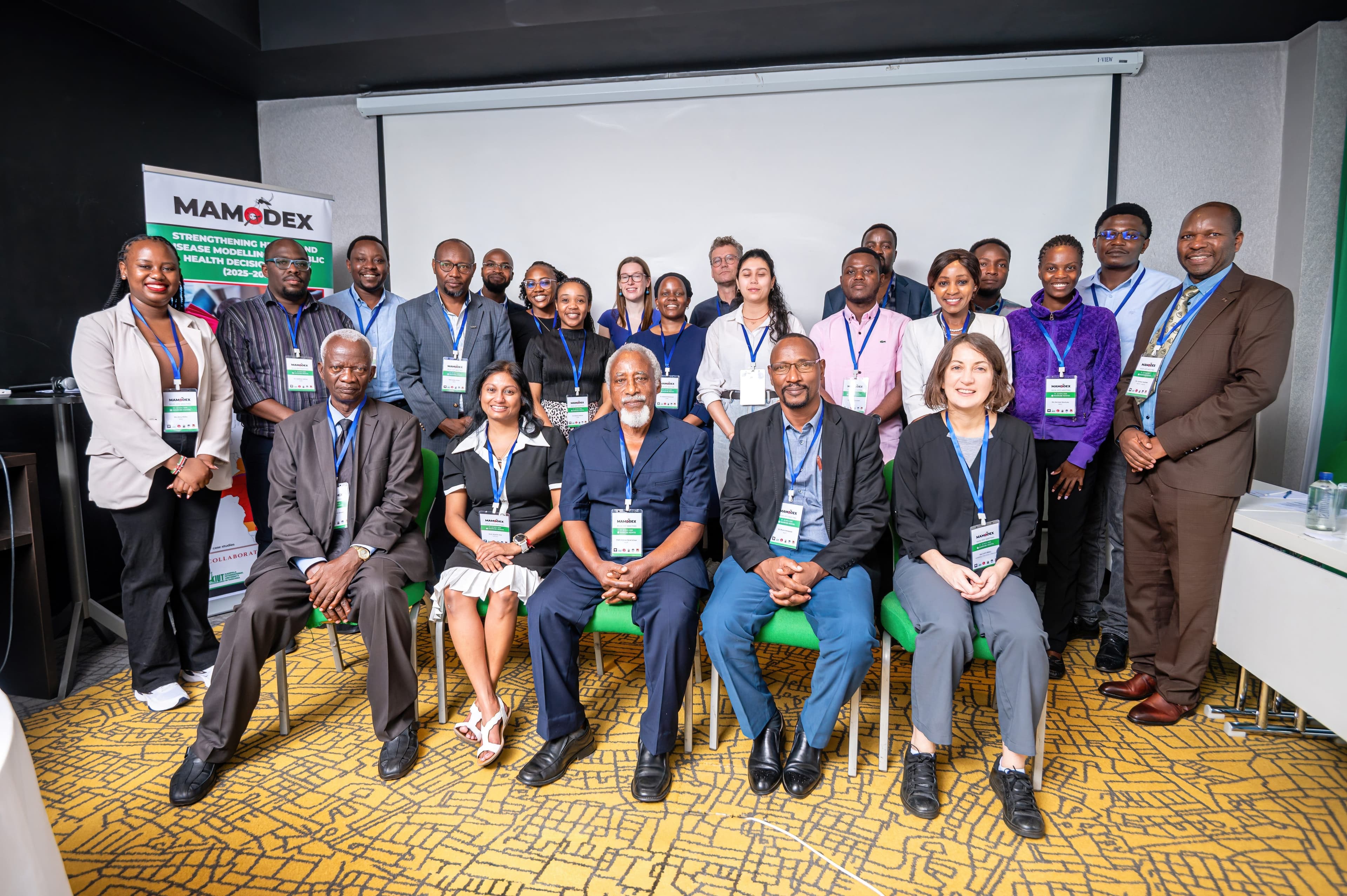
KIUT Joins Inaugural MAMODEX Malaria Modelling Meeting in Nairobi
Dec 2, 2025

KIUT Workshop Inspires New Teaching Excellence
Nov 6, 2025
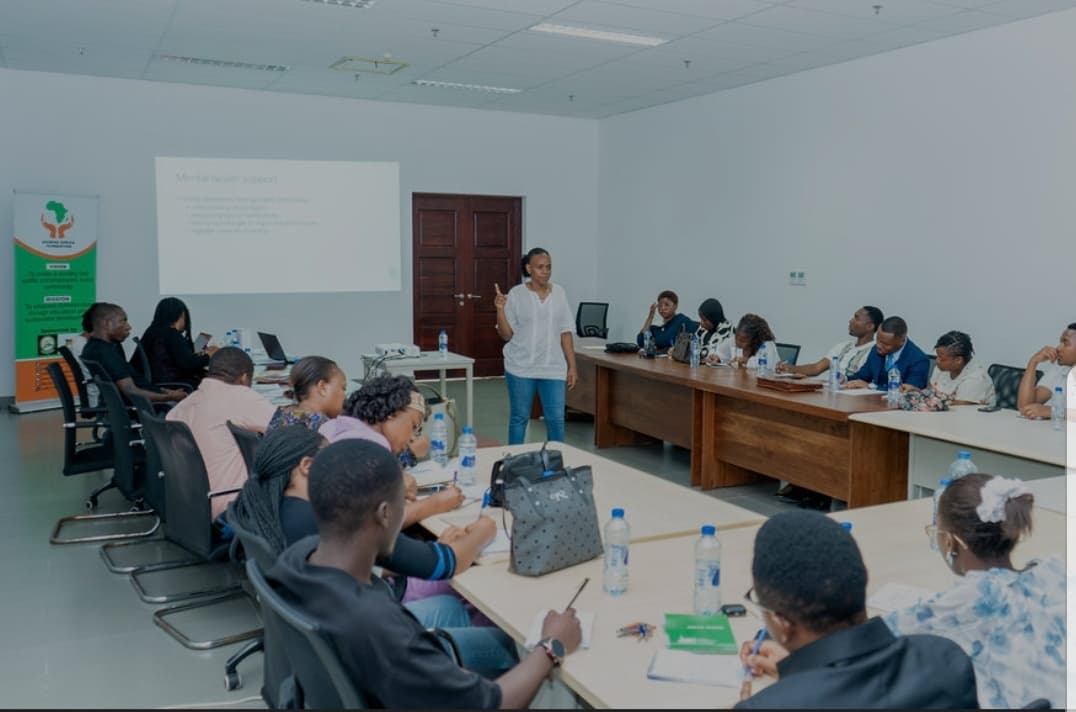
Boosting mental wellness across Tanzanian universities
Oct 28, 2025
.jpg&w=3840&q=75)
Parents urged to complete polio vaccinations for children
Oct 6, 2025
.jpg&w=3840&q=75)
KIUT dominates TVNL, sweeps top individual awards
Sep 30, 2025
.jpg&w=3840&q=75)
Tanzania Prisons, KIUT crowned TVNL Champions
Sep 29, 2025
Wazazi wahimizwa kukamilisha chanjo ya polio kwa usalama wa watoto
Aug 31, 2025
.jpg&w=3840&q=75)
Mainland Netball League to kick off in Tabora on September 26
Aug 28, 2025

Tanzania volleyball team from Kampala international university shine at grand palace hotel international tournament
Aug 15, 2025
.jpg&w=3840&q=75)
KIUT Shines at Zanzibar Exhibition
Aug 15, 2025
.jpg&w=3840&q=75)
KIUT Prioritizes Athlete Health
Aug 13, 2025